
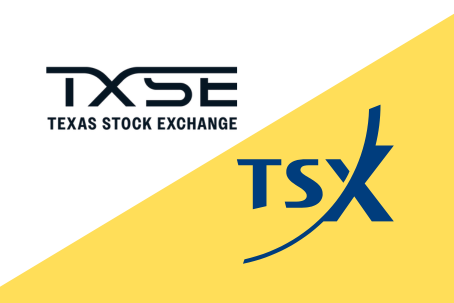
In September 2024, the Toronto Stock Exchange sent a cease-and-desist letter to the recently introduced Texas Stock Exchange, demanding they abandon their TXSE branding. The Canadian exchange claimed the four-letter acronym was too similar to their three-letter TSX mark and threatened immediate legal action.
The stakes were substantial. The Texas Stock Exchange had already raised $145 million in funding, filed federal trademark applications, launched nationwide marketing campaigns, and received coverage in the Wall Street Journal, Financial Times, and New York Times. A forced rebrand would have cost millions and significantly delayed their planned, early-2026 market entry.
This high-profile trademark dispute offers valuable lessons for Texas business owners about protecting your brand before competitors or legacy companies try to shut you down.
Lesson 1: Trademark Rights Require Commercial Use
The Toronto Stock Exchange held U.S. trademark registrations for TSX covering "operation of a stock exchange and stock market for trading in financial instruments and securities." However, the Toronto Stock Exchange does not operate within the United States. Any orders to purchase or sell securities listed on TSX are sent to Canada for execution.
The Texas Stock Exchange argued that without providing stock exchange services in U.S. commerce, Toronto couldn't own valid U.S. trademark rights for those services.
Why This Matters for Your Business
Trademark rights arise from use, not just registration. Without commercial use, you can't stop others from using similar marks. This principle prevents “trademark squatting” – registering a trademark and then never actually using it.
For this reason, document trademark use carefully:
- Keep dated examples of how you use your marks on products, packaging, marketing materials, and websites
- Maintain invoices, sales records, and customer communications showing the mark in commercial use
- Take screenshots of online advertisements and social media posts featuring your marks
- File trademark applications only after you've begun using the mark in commerce (or file an intent-to-use application with a clear timeline for actual use)
When expanding your business, don't assume existing trademark registrations automatically cover new product lines. If your mark covers 'restaurant services' and you start selling packaged food products, you'll need separate trademark protection for those products.
Lesson 2: Visual Differences Can Defeat Similarity Claims
During a federal court hearing, U.S. District Judge Karen Gren Scholer held up both logos and stated they “did not look alike” – expressing clear skepticism about Toronto's trademark infringement claim.
Create a Brand that Is Visually Distinct from Competitors
Courts evaluate trademark infringement based on the likelihood of consumer confusion. Even if marks share similar words or sounds, strong visual differences can defeat infringement claims.
Invest in professional brand design that goes beyond typography:
- Develop unique logo designs incorporating original graphic elements
- Choose distinctive color schemes that differentiate you from competitors
- Select fonts that create a unique visual impression
- Test your branding alongside competitors to ensure it stands apart
When you're selecting brand elements, remember that visual distinctiveness provides stronger trademark protection.
Lesson 3: Timing Matters in Trademark Disputes
The Texas Stock Exchange publicly filed its trademark application with the U.S. Patent and Trademark Office in May 2023. The application appeared in the USPTO's official gazette, making it available for anyone to discover and oppose.
Yet the Toronto Stock Exchange waited until September 2024 – more than 16 months later – to send its cease-and-desist letter. By that time, TXSE had raised substantial funding, secured backing from major investment firms, received endorsements from Texas Governor Greg Abbott, and generated more than 1,400 media mentions worldwide.
Waiting months or years to challenge a mark suggests:
- The similarity isn't actually confusing consumers in the marketplace
- The delayed party doesn't truly believe their trademark rights are being violated
- The challenge is motivated by competitive concerns rather than legitimate trademark protection
The Toronto Stock Exchange's 16-month delay significantly undermined the urgency of their claims.
Protect Your Rights Through Prompt Action
If you genuinely believe another company is infringing your trademark, act immediately to prevent marketplace confusion and protect your brand equity.
If you discover potential infringement of your trademark:
- Act within weeks, not months or years
- Document the exact date you first discovered the potentially infringing use
- Consult with a trademark attorney immediately to evaluate the strength of your claims
- Send a professionally drafted cease-and-desist letter promptly if infringement appears likely
- Consider whether the other party's use actually creates marketplace confusion
Prompt action demonstrates the seriousness of your concerns and strengthens your legal position. Delay can be interpreted as acquiescence or tacit permission.
If you receive a cease-and-desist letter:
- Document your timeline of trademark use and your investments in branding, marketing, and business operations
- Don't panic or immediately comply with their demands
- Consult an experienced trademark attorney before responding or making any changes to your branding
Lesson 4: Declaratory Judgment Actions Let You Choose the Battlefield
Rather than waiting to be sued in Toronto's preferred venue (likely New York, where Toronto's U.S. law firm was based), the Texas Stock Exchange took control of the situation.
TXSE filed a declaratory judgment action in the U.S. District Court for the Northern District of Texas in October 2024, asking the court to declare that their TXSE marks did not infringe Toronto's trademark rights. They also requested cancellation of Toronto's trademark registrations to the extent those registrations weren't supported by actual use in U.S. commerce.
By filing first, TXSE controlled the narrative and forced Toronto to defend its claims in Texas federal court.
When to Consider This Strategy
Your attorney may recommend filing a declaratory judgment suit when a real and substantial controversy exists and:
- You have strong factual and legal defenses to the trademark infringement allegations
- You want to resolve the uncertainty quickly rather than operating under the cloud of potential litigation
- You prefer to litigate in your home jurisdiction rather than the challenger's preferred venue
- You are not seeking damages, but rather a binding decision on your legal rights before someone actually sues you for infringement
Every situation requires individual analysis; however, when a challenger sends an aggressive cease-and-desist letter and threatens immediate legal action, filing for a declaratory judgment action in your preferred venue can be a powerful strategic move.
Lesson 5: Settlement Often Makes Better Business Sense Than Litigation
After a federal judge expressed skepticism about Toronto's claims, the parties settled through mediation in December 2025.
A negotiated settlement – especially in the midst of litigation – can be a sensible option and allows both parties to:
- Control the outcome rather than leaving it to judicial decision
- Preserve confidentiality of terms
- Structure creative business solutions unavailable through litigation
- Move forward with certainty rather than prolonged uncertainty
- Avoid creating public precedent that could affect future business dealings
Even with strong legal arguments, the Texas Stock Exchange faced risks if the case proceeded. Litigation is unpredictable, and any adverse ruling could have created complications for their business model.
Remember that settlement is not defeat. The Texas Stock Exchange is expected to begin trading in early 2026 with their TXSE branding intact. That outcome – securing their business objectives while avoiding prolonged litigation – was the real victory, regardless of how it was achieved.
Your Brand Is a Valuable Business Asset – Protect It
Your brand represents more than just a logo or business name. It embodies your reputation, customer relationships, and market position. For many businesses, brand equity is among their most valuable intangible assets. Don't leave it unprotected:
- Conduct comprehensive trademark searches before investing in branding and marketing
- File federal trademark applications to establish nationwide priority and stronger legal presumptions
- Document your trademark use with dated examples, sales records, and market presence
- Monitor the marketplace for potential infringers or confusingly similar marks
- Register domain names that incorporate or relate to your trademarks
- Establish brand guidelines for consistent use across all marketing channels
- Work with experienced counsel who understand both trademark law and business strategy
The business law attorneys at Hendershot Cowart P.C. help Texas companies navigate trademark registration, respond strategically to trademark infringement, and resolve brand disputes in ways that protect both legal rights and business interests. We provide counsel that considers both legal strategy and commercial reality.
Call (713) 783-3110 or contact us online to discuss your trademark protection needs.